Introduction
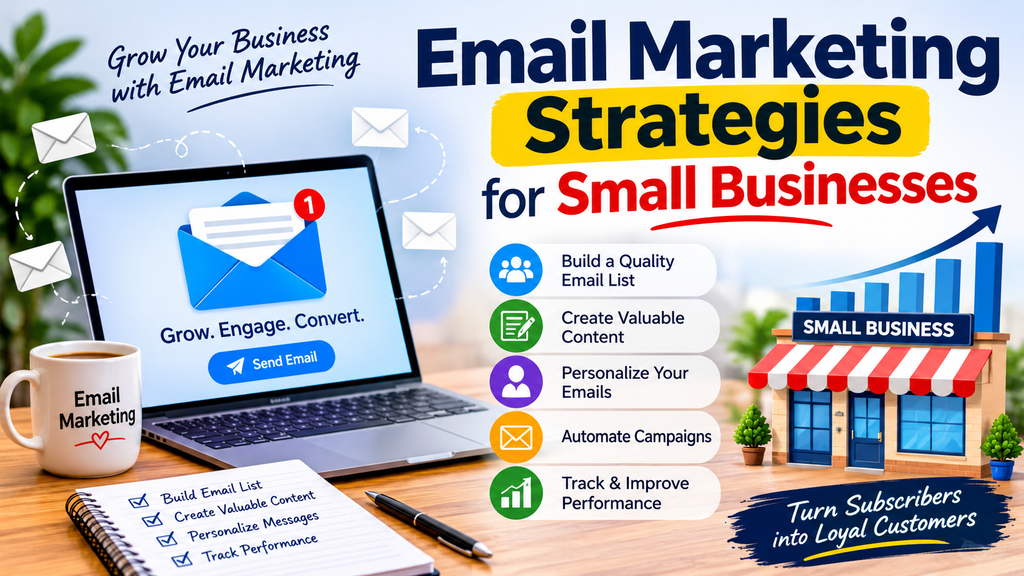
Email marketing is one of the most effective and affordable digital marketing strategies for small businesses. It allows businesses to connect directly with customers, promote products or services, share updates, and build long-term relationships. Unlike social media, where organic reach can be unpredictable, email marketing gives businesses a direct way to communicate with people who have chosen to receive their messages.
With the right strategy, small businesses can increase sales, improve customer engagement, and grow their brand without spending a large amount of money.
1. Build a Quality Email List
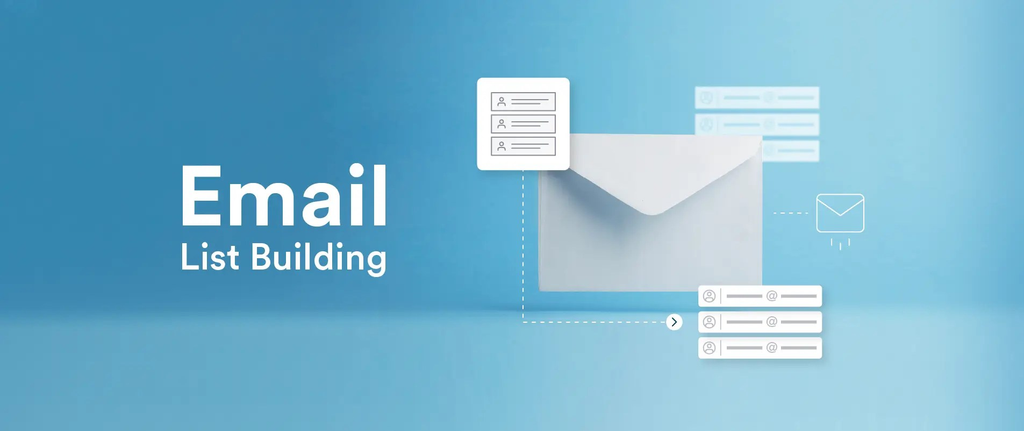
The first step in successful email marketing is building a list of interested subscribers. Businesses can collect email addresses through website signup forms, newsletter subscriptions, contact forms, and special offers.
Always obtain permission before sending marketing emails. Avoid purchasing email lists because they may contain uninterested recipients and damage your sender reputation.
2. Create Valuable and Relevant Content
Your emails should provide value instead of focusing only on selling. Share helpful tips, product updates, special offers, industry news, and useful information related to your audience’s interests.
For example, a digital marketing agency can send emails containing SEO tips, social media marketing strategies, and website improvement advice. Valuable content encourages subscribers to open future emails and trust your business.
3. Personalize Your Emails
Personalization makes emails more relevant to individual subscribers. You can use a subscriber’s name, recommend products based on their interests, or send offers related to their previous interactions.
Segmenting your email list into groups based on interests, purchase history, or customer behavior can help you send more targeted messages and improve engagement.
4. Use Attractive Subject Lines and Clear Calls to Action
The subject line is often the first thing recipients notice. Keep it short, clear, and relevant to the email’s content. Avoid misleading claims and excessive promotional language.
Include a clear call to action (CTA), such as “Shop Now,” “Book a Free Consultation,” or “Read Our Latest Blog.” A strong CTA helps readers understand what to do next.
5. Automate Your Email Campaigns
Email automation helps small businesses save time and communicate consistently. You can set up welcome emails for new subscribers, follow-up emails after inquiries, reminders for abandoned shopping carts, and thank-you emails after purchases.
Automation allows businesses to maintain customer relationships even when they have limited time or staff.
6. Track and Improve Performance
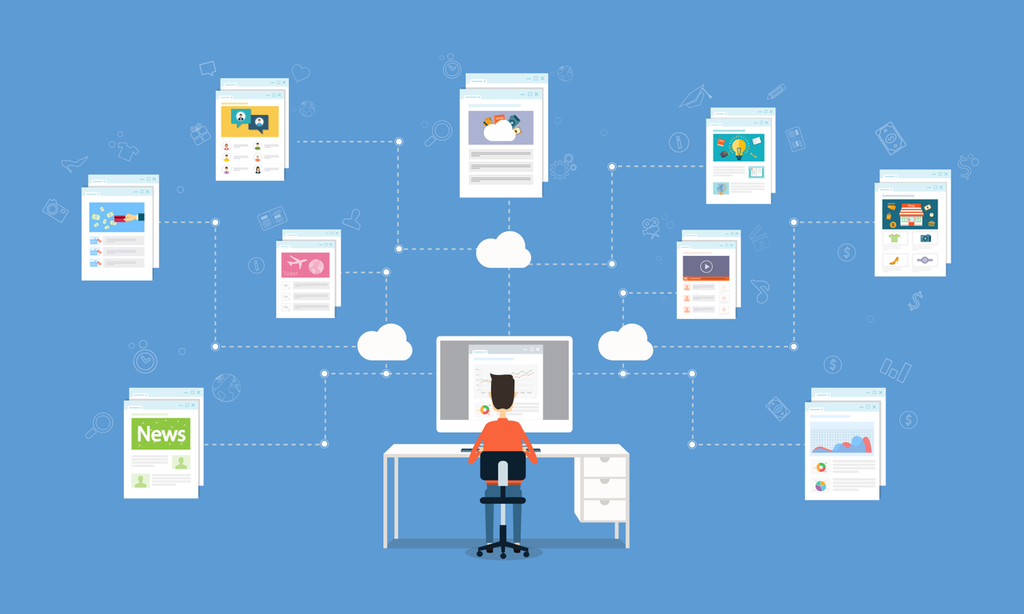
Monitor important metrics such as delivery rate, click-through rate, conversions, and unsubscribes. These measurements help you understand what works and where improvements are needed.
Experiment with different subject lines, email designs, and sending times. Use the results to improve future campaigns rather than relying on assumptions.

Conclusion
Email marketing can help small businesses build customer relationships, increase brand awareness, and generate more sales cost-effectively. By creating a quality email list, sharing valuable content, personalizing messages, using automation, and measuring performance, businesses can develop successful email marketing campaigns. Consistency, relevance, and customer trust are the keys to achieving long-term results.